Step one in the CMD Recovery Guide asks us to do something deceptively simple and emotionally brutal. Admit that our spending or collecting has taken control of our lives in ways we couldn’t ignore. For many of us, this is where recovery either begins or stalls. Not because we don’t understand the words, but because saying them out loud forces us to confront a version of ourselves we’ve been working hard to avoid. There’s an added layer of shame here that doesn’t always get talked about. Admitting a problem with substances or even traditional gambling is something most people can intellectually grasp. Admitting a problem with cardboard, sneakers, toys, or collectibles feels different. It can feel juvenile. Embarrassing. Like we should know better as adults. That voice says, “Really? This is what broke you?” And that voice keeps people stuck far longer than the behavior itself. Step one cracks the illusion of control wide open. It forces us to stop believing we can think our way out of something that has already outpaced our logic. It requires humility and brutal honesty, as opposed to intelligence and clever justifications. And when we finally look in the mirror and say it out loud; when we stop minimizing, comparing, or softening the truth, something real happens. Denial loses its grip. The fog lifts. The fight feels lighter because we’re no longer fighting ourselves. Admitting we have a problem isn’t a one-time confession. It’s a daily practice. Every day after step one isn’t about mastery. It’s about maintenance. Checking in. Staying honest. Noticing when old stories start creeping back in. Catching the cracks early before they widen. Addiction may always live in our wiring, but recovery is what rewires how we respond. Recovery doesn’t promise perfection or permanent safety. It instead offers clarity and peace. It doesn’t erase the past. It teaches us how to live with it without letting it run the show. That peace only lasts as long as our commitment does. The work doesn’t stop when the urges quiet down or when life stabilizes. The work is what keeps it quiet. Step one is the foundation of recovery because it’s where pretending ends. And when pretending ends, real peace finally has room to emerge. #CollectorsMD —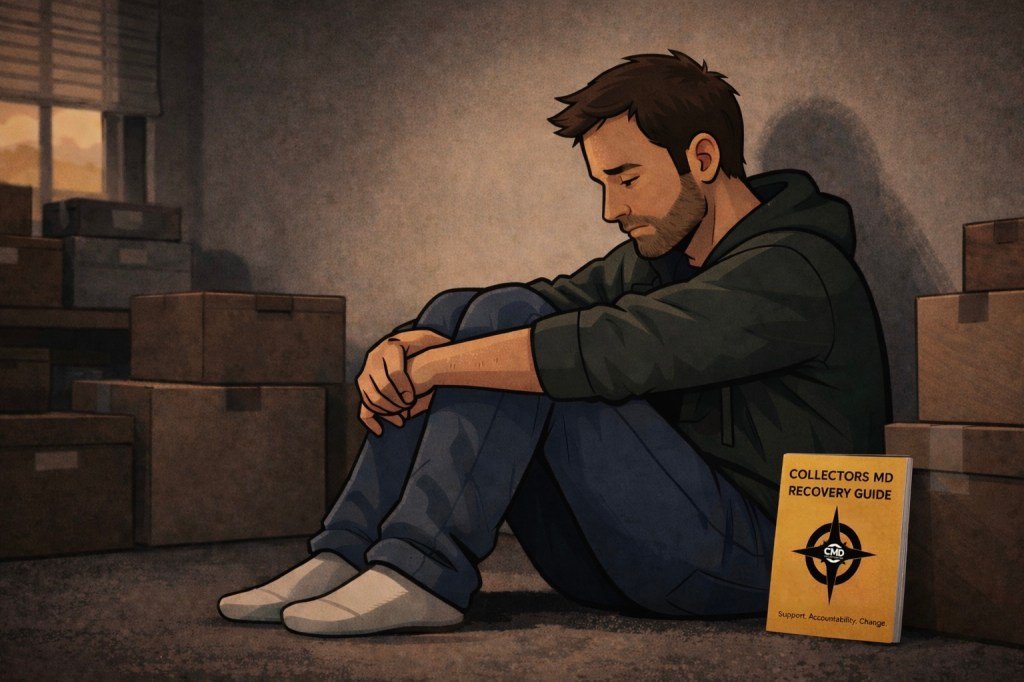
The bravest thing we can do when we’re in active addiction is stop rationalizing and start telling the truth, first to ourselves, then to others.
Follow us on Instagram: @collectorsmd
Subscribe to our Newsletter & Support Group
Join The Conversation On Mantel
Read More Daily Reflections