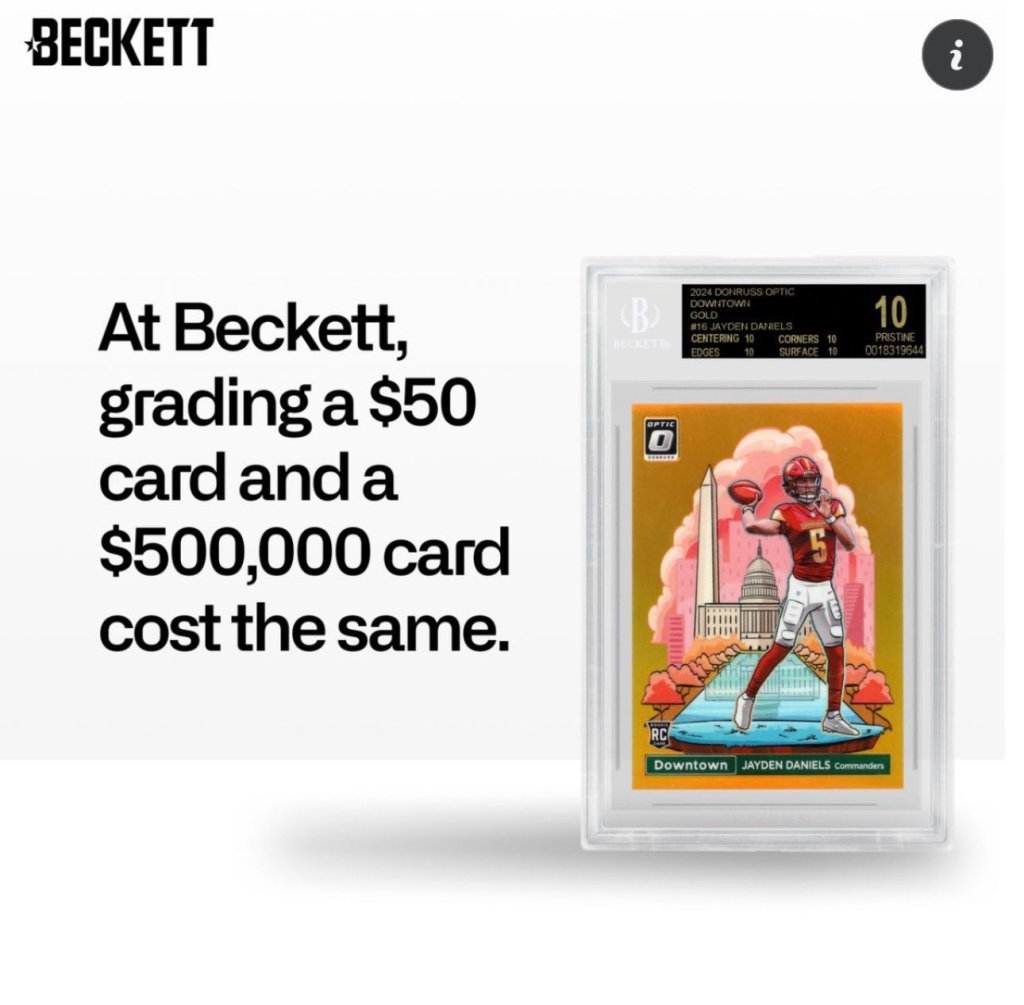
Many collectors know that moment all too well—the infamous email from PSA. Your card comes back with the coveted Gem Mint 10, better than you even hoped for. Then comes the catch: the upcharge—sometimes climbing into the thousands, all for the grade of a single card. And it’s not like they’re sealing the card in 24-karat gold—just the same plastic slab they use for $10 base cards, the same process, only now at a (much) higher cost. Every so often, a debate hits the hobby that pulls everyone in—and this week, the PSA upcharge model is one of the most divisive topics in the hobby. Not because collectors don’t value PSA’s brand or reputation—they do—but because the math doesn’t add up. The process is identical, the grader spends the same time and uses the same equipment, yet the bill skyrockets purely because of the outcome. A “10” on a two-inch label suddenly costs exponentially more than a “9”. As one collector put it perfectly: “Picture this—I own a car wash. You bring your truck and I wash it for $25. The next person has a Rolls Royce, and I charge them $2,500 to wash theirs. Using the same bucket and towels.” It doesn’t sound like an honest car wash. Supporters argue that PSA’s label itself adds measurable market value—that a 10 can make a card instantly worth 3–4x more, and that the upcharge reflects that increase. In other words, they’re charging for the impact of the grade, not the labor of grading. That’s the justification. But to many in the hobby, that logic feels slippery. Should a company profit more simply because your card happens to be worth more? Should a service fee hinge on luck or something so subjective? Especially when other companies, like Beckett (BGS), don’t operate this way, offering flat rates regardless of value. The concerns go deeper than money. Some see it as a potential conflict of interest—if higher grades bring higher profits, what incentive exists to keep grading entirely objective? While few believe PSA is rigging outcomes, the structure alone creates the appearance of bias, and that’s dangerous for trust. Then there’s the question of accessibility. What happens to the collector who pulled a monster card they can’t afford to redeem because of the fee? Do they forfeit their own property until they pay up? The upcharge model doesn’t just create frustration—it deepens the divide between collectors and corporations, between passion and profit. Others point out the lack of transparency. No subgrades, no grader notes, no itemized explanation of what just cost thousands more. In any other industry, that would raise eyebrows. Imagine a contractor finishing a kitchen renovation, declaring your home value went up, and handing you a new invoice “based on appreciation”. At the heart of all this lies a cultural question: When did grading stop being a service and start being a transaction with leverage? Grading was supposed to standardize quality—to protect collectors, not profit from their success. None of this is an attack on PSA’s influence—they helped shape modern collecting. But influence without accountability leads to imbalance. When the same company can grade, value, and monetize that value, the ecosystem tilts toward the few and away from the many. Maybe the solution isn’t elimination but reform. Flat fees, transparent grading notes, optional insurance instead of forced valuation charges—simple steps that restore fairness. Because grading should be about accuracy, not opportunity. Until then, the hobby will keep asking the same question: If the service doesn’t change, why does the price? #CollectorsMD —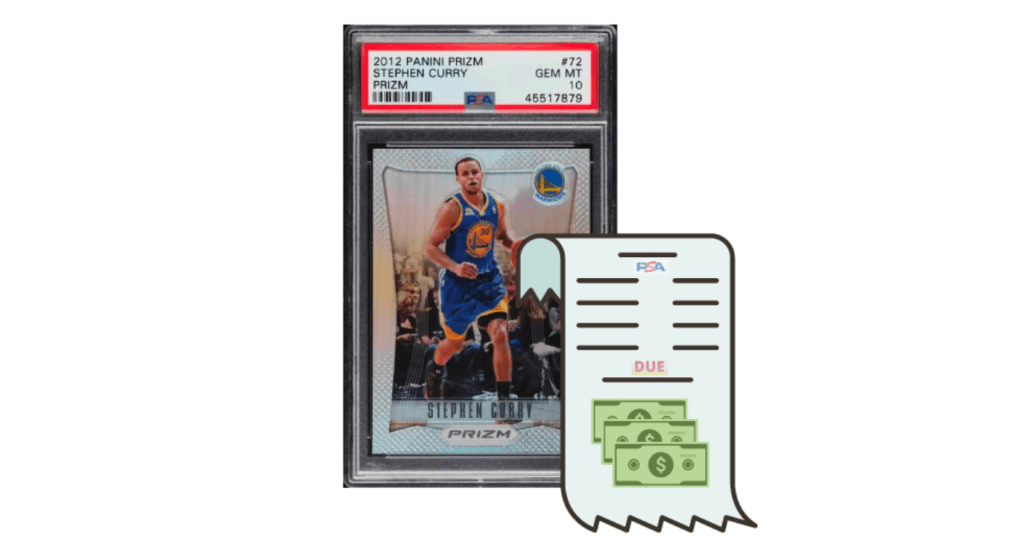

When trust costs extra, everyone pays for it.
Follow us on Instagram: @collectorsmd
Subscribe to our Newsletter & Support Group
Join The Conversation On Mantel
Read More Daily Reflections