The Environments We Normalize
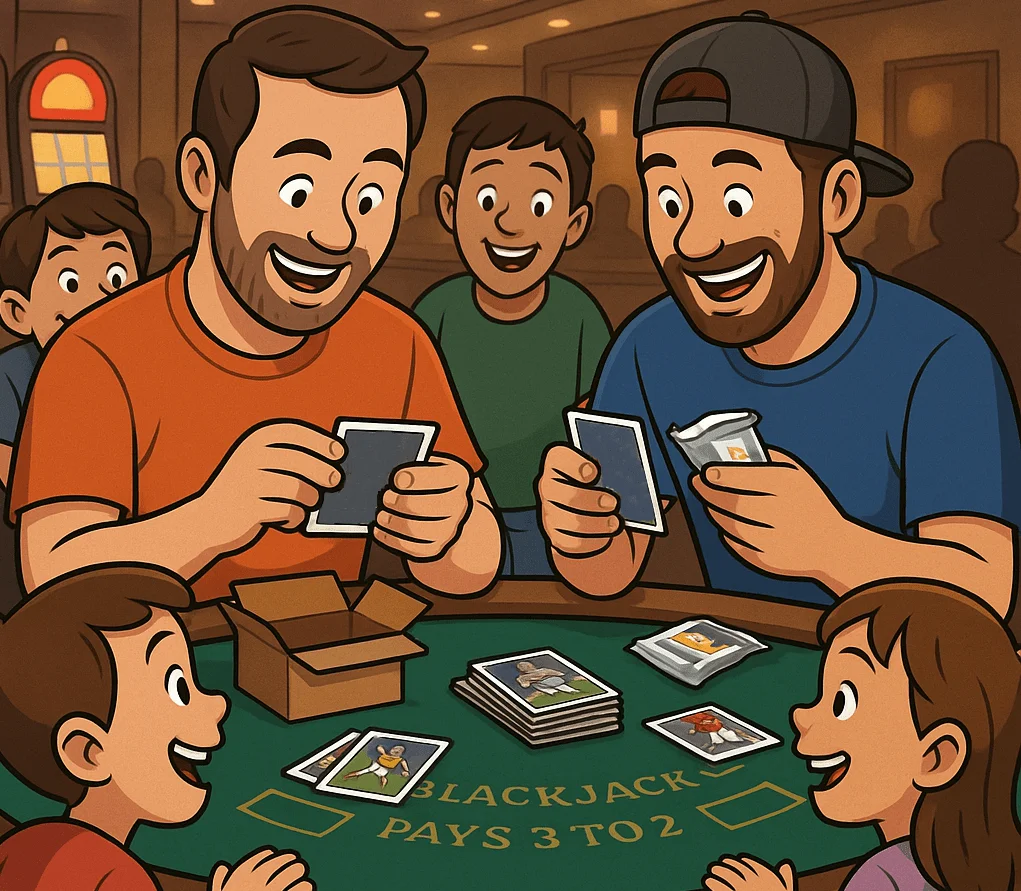
There are moments in this hobby that genuinely bring out the best in people. Watching someone hand a meaningful hit to a kid—especially one who wasn’t expecting it—reminds us why collecting matters in the first place. Those acts of generosity cut through the noise, the hype, and the chaos. They show us that beneath everything, there’s still heart in this community. But sometimes the environment surrounding those moments sends messages we don’t fully acknowledge. For

Actions Speak Louder Than Words
As of late, I’ve been reminded of something that shows up in both recovery and community work: it’s easy to agree with a mission, to voice support, or to say the right things when conversations are flowing—but translating intention into follow-through is where the real work begins. Words can spark awareness, but actions are what determine whether that awareness becomes real change. That gap isn’t about blame; it’s simply the space between what we hope
Carrying The Weight Of A Movement
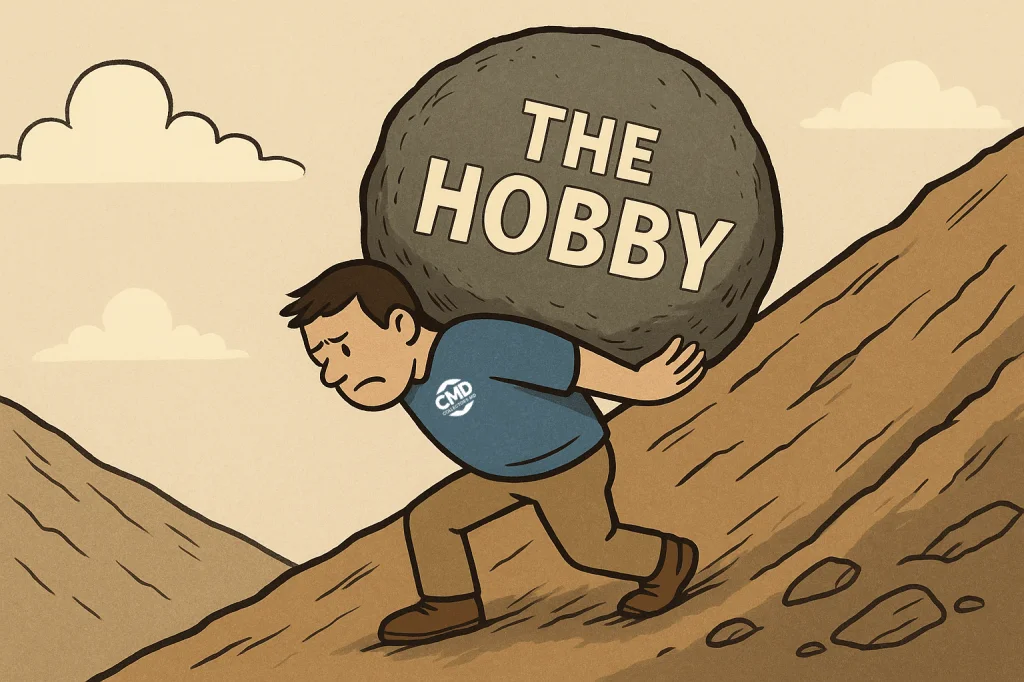
Some days, building a movement feels electric—full of momentum, purpose, and clarity. Other days, it feels like you’re carrying a boulder up a hill by yourself. Most people see the outcome: the meetings, the posts, the partnerships, the messages from people who say Collectors MD has helped them breathe again. But behind all of that is the part most people never talk about—the quiet grind of doing something bigger than yourself with no roadmap, no
Compulsion Vs. Intention: An Internal Tug Of War
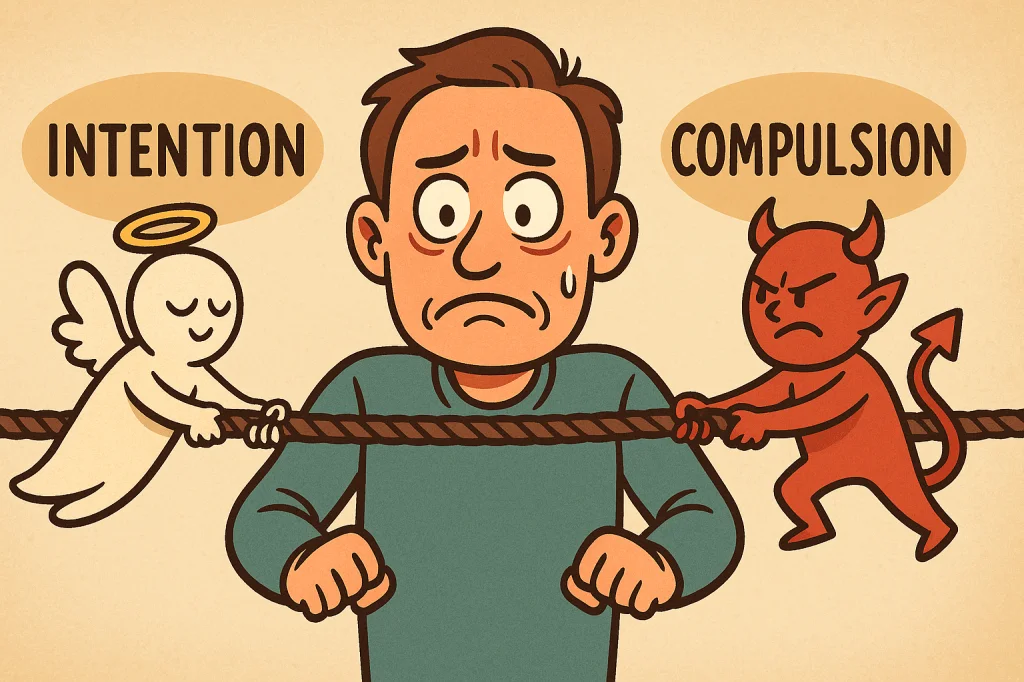
There’s a moment in every collector’s journey when the hobby stops feeling like a choice and starts feeling like a pull—an invisible force dragging you toward the next rip, the next bid, the next hit. At first it looks like excitement. Then one day you see it for what it actually is: two versions of you digging their heels into the same rope. One chasing relief, escape, and adrenaline. The other trying to hold on
The Bids Aren’t Real, But The Damage Is
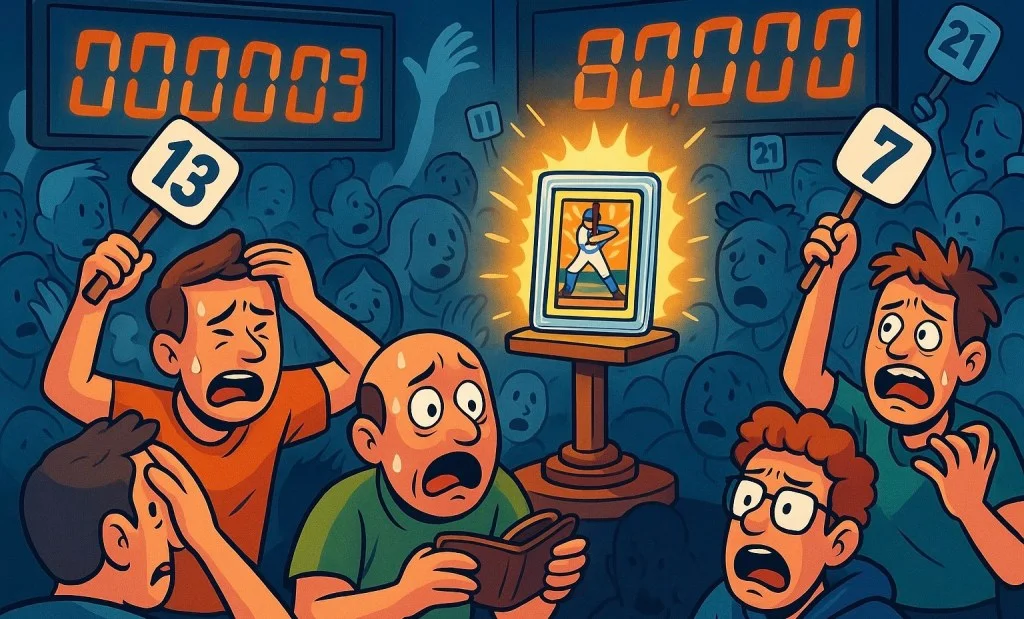
Every few months, the hobby gets hit with another controversy, another exposé, another reminder that the ecosystem we participate in isn’t as clean or as fair as we want to believe. This week, it’s shill bidding—yet again. Another platform. Another auction. Another wave of collectors realizing that the game they’re trying to play honestly might not always be played honestly around them. And once again, the reactions split into two predictable camps:“This is unacceptable.” vs.
Predatory Marketing: Conditioned To Rip
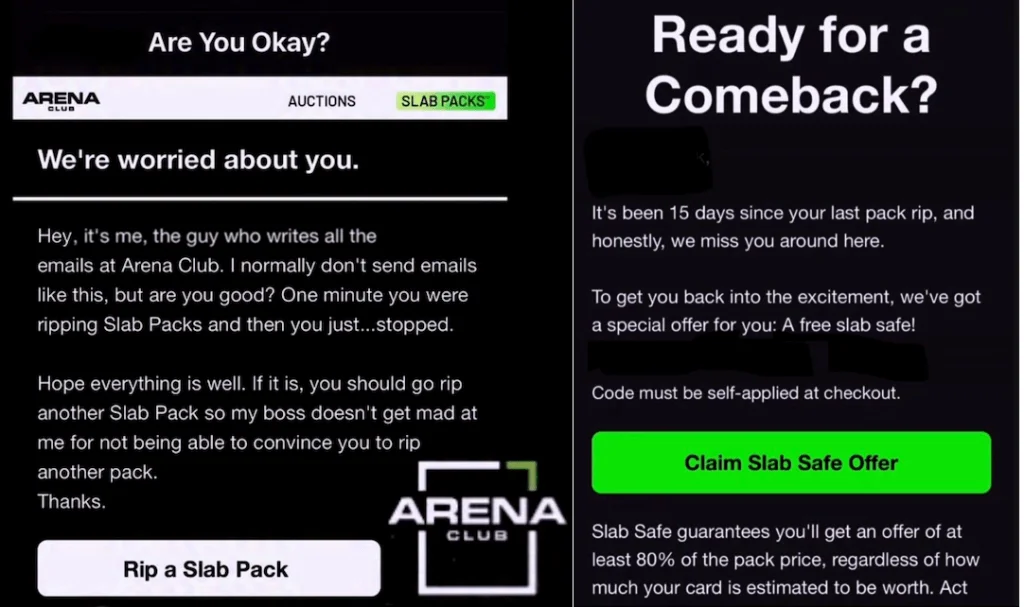
Hobby marketing doesn’t hint at gambling anymore—it speaks its language fluently. The latest example comes from Arena Club, whose recent emails read like something straight out of a casino’s playbook. One message users received today opened with, “Are you okay? We’re worried about you”. It continued, “One minute you were ripping ‘Slab Packs’ and then you just stopped. You should go rip another pack so my boss doesn’t get mad at me for not convincing

Channeling Our Powers For Good
We underestimate how powerful we actually are. As addicts, compulsive collectors, or chronic chasers—we’ve proven that we can be relentless. We’ve found ways to stretch credit, juggle accounts, hide losses, justify purchases, and construct elaborate stories just to keep the illusion alive. That’s not stupidity—that’s resourcefulness. Misguided, yes. But it’s the same raw energy that built businesses, led movements, and fueled breakthroughs throughout history. When I finally got honest about my own behavior, I realized

The Half-Life Of Hype
What we’re seeing in today’s hobby environment isn’t just speculation—it’s short-term memory loss disguised as market excitement. Every release, every “next big thing”, wipes the slate clean and resets what collectors think matters. “Value” has become a 30-day cycle, dictated by hype instead of history. A community member in our group chat said it best while building a checklist of Chargers cards from 2010–present day—“it’s kind of scary to see how many of these guys
Same Patterns, Different Products
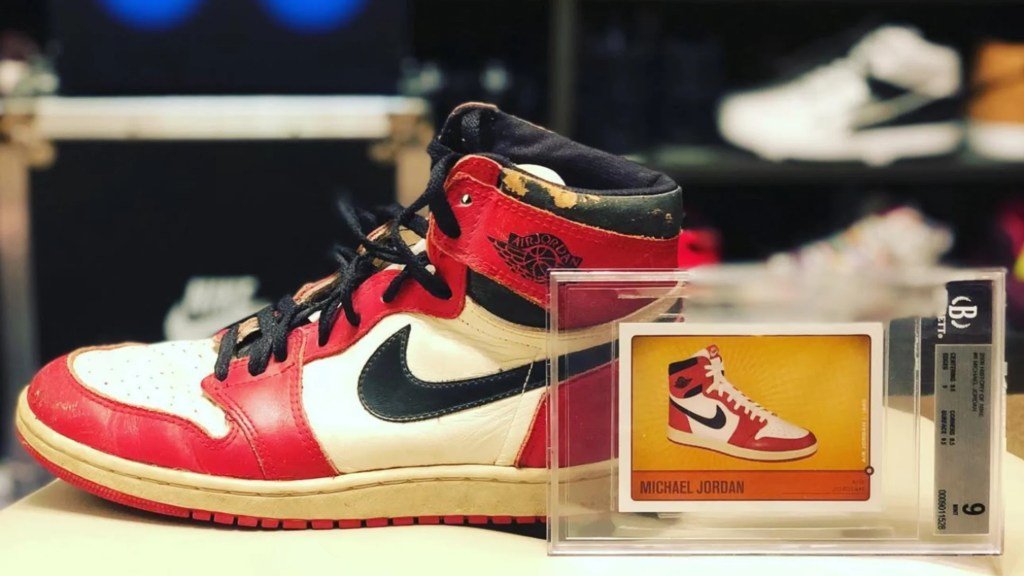
The more conversations we have, the more obvious it becomes—the problem isn’t the product. Whether it’s trading cards, sneakers, or any other collectible, the same patterns keep surfacing: manufactured scarcity, algorithmic hype, emotional justification, and that quiet feeling of I need this disguised as I love this. Following our latest episode of The Collector’s Compass with Mikey Dabb (@thecamp0ut), that truth hit even harder. Listening to Mikey describe how sneaker culture has shifted—from community-driven campouts

Cognitive Distortions
In recovery—whether from gambling, collecting, or compulsive spending—few things are more dangerous than the stories we tell ourselves. They aren’t always loud or obvious. Sometimes they whisper just enough to distort reality—turning moments of clarity into excuses, self-awareness into shame, or one small slip into a deep spiral. Cognitive distortions are irrational thoughts that quietly shape how we see the world, ourselves, and our habits. They’re mental filters that twist logic until we start believing
The Illusion Of Access
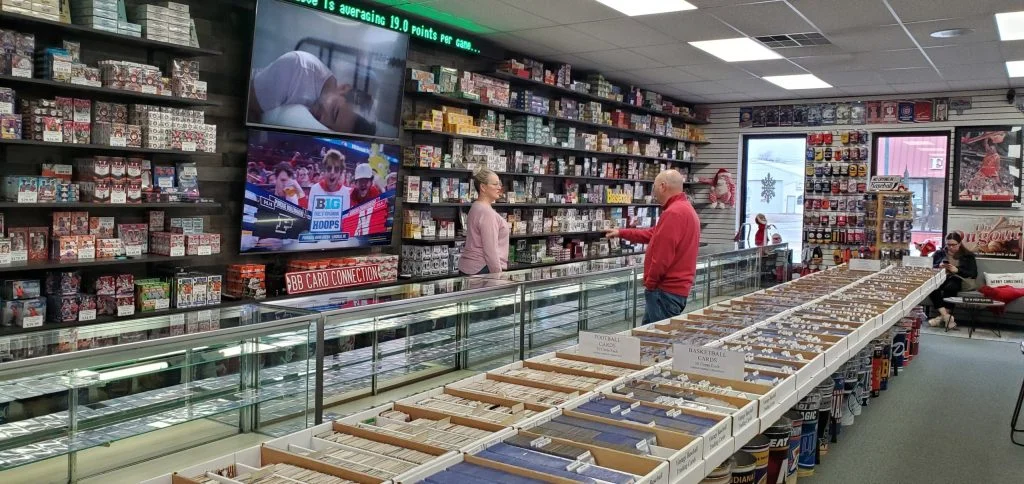
Every collector knows the feeling—a new product drops, the hype kicks in, and before you can even refresh the page, it’s gone. Sold out. Snatched up by breakers, influencers, or those with early access. What’s left for the everyday collector is the same story on repeat: scarcity, FOMO, and the quiet frustration of feeling left out of something you love, forced to chase it later at an inflated markup. EQL drops, Dutch auctions, countdown timers—it’s
The Price Of A Lie
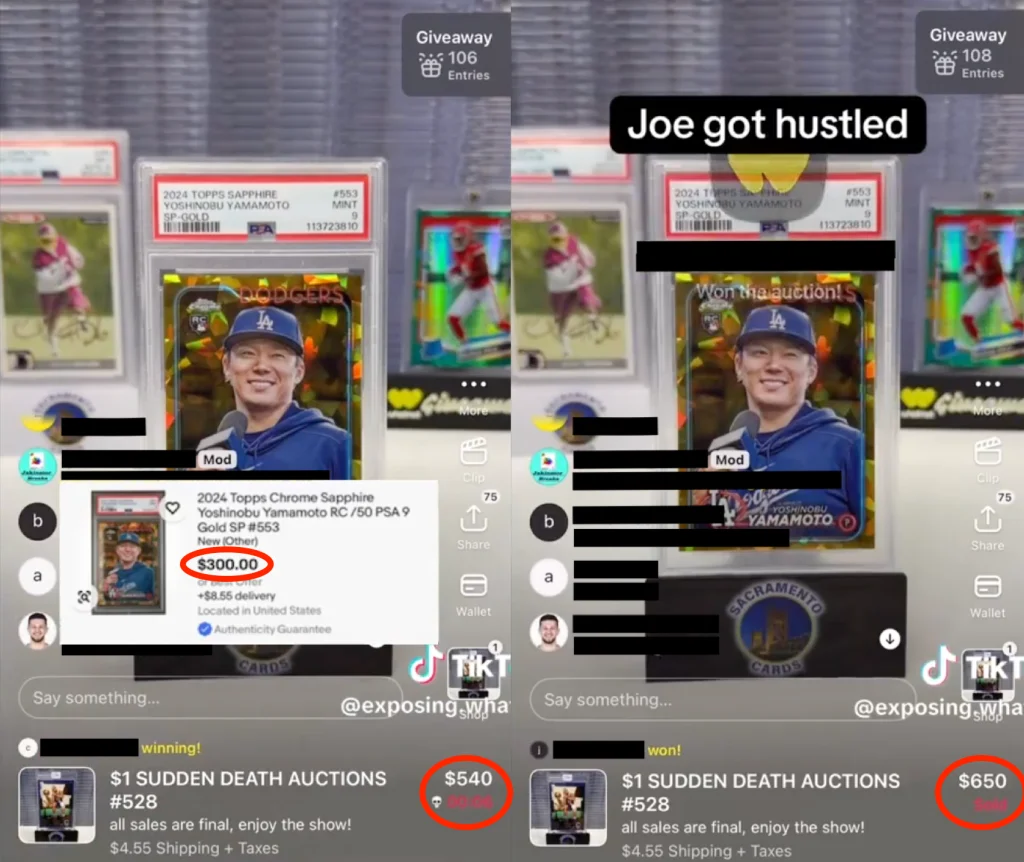
Once again, another live stream clip is making its rounds in the hobby—this time featuring a Whatnot seller blatantly lying about a card’s value. He claims the “last sale was $2,000” when the real comp was closer to $300. The card ultimately sells for $650—more than twice its true value—and the buyer is congratulated for “getting a steal”. But the real loss isn’t just money—it’s trust. Moments like this reveal how far the culture of