
Category: Recovery Articles

Crashing Out

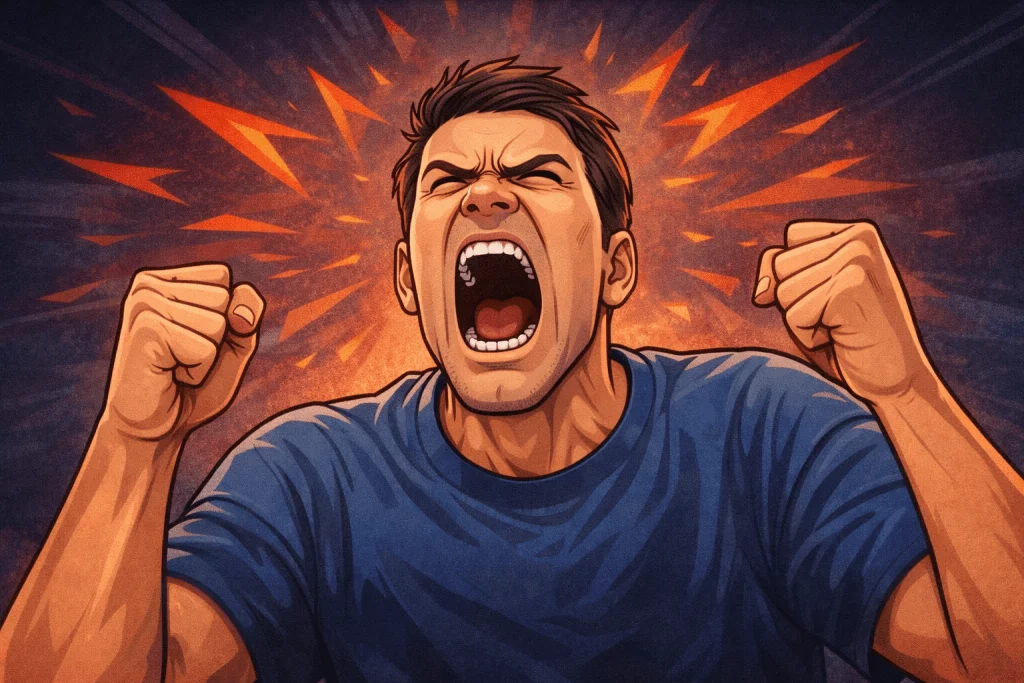
In today’s hobby, we’re seeing a phrase pop up more and more:“crashing out”. It usually refers to moments where frustration, pressure, or emotional overwhelm spills over in very public ways. Sellers breaking things on stream. Cracking slabs. Bending cards. Reacting when something sells far below expectations. And almost instantly, social media reacts like a hive mind – amplifying the moment, criticizing it, dissecting it. From the outside, it can be easy to reduce these moments to spectacle or judgment. But

Read More »

When Dopamine Changes Addresses

Recovery has a way of creating open space. When one behavior is removed or slowed down, something else often rushes in to fill the gap. Sometimes that replacement looks healthier on the surface – more acceptable, more productive, more socially reinforced. But that doesn’t always mean it’s harmless. Social media is one of the most common places dopamine relocates. Likes, views, comments, followers, engagements – they deliver fast feedback and instant gratification. The brain doesn’t

Read More »

The Importance Of Mental Health

This week began with heartbreaking news, and it’s understandable if it’s been sitting with you since. A 25-year-old NFL player, Rondale Moore, died by suicide. Young. Talented. Successful by every external measure. And still hurting enough that the pain became unbearable. Stories like this shake people because they challenge a belief many of us quietly carry. That money fixes things. That success protects you. That fame insulates you from depression, anxiety, loss, or despair. Those

Read More »

Living With Rage

Rage is an emotion that, when people see it surface, they often immediately label the person as a villain. But rage is just as natural as any other emotion. We are human. We love. We cry. We laugh. We grieve. We get angry. And sometimes, that anger turns into rage. I’ve felt rage at my own stupidity during the days I threw money at card breaks. Rage at myself for believing the next rip would

Read More »

FEAR: False Evidence Appearing Real

Fear is one of the most powerful forces in addiction. Not because it reflects reality, but because it convinces us it does. FEAR is often used as an acronym for “False Evidence Appearing Real”, a lens that closely mirrors how addiction distorts perception. When we’re in active addiction or deep in compulsive patterns, fear doesn’t show up as panic. It shows up as urgency. The fear of missing out. The fear of falling behind. The

Read More »

Toxic Positivity

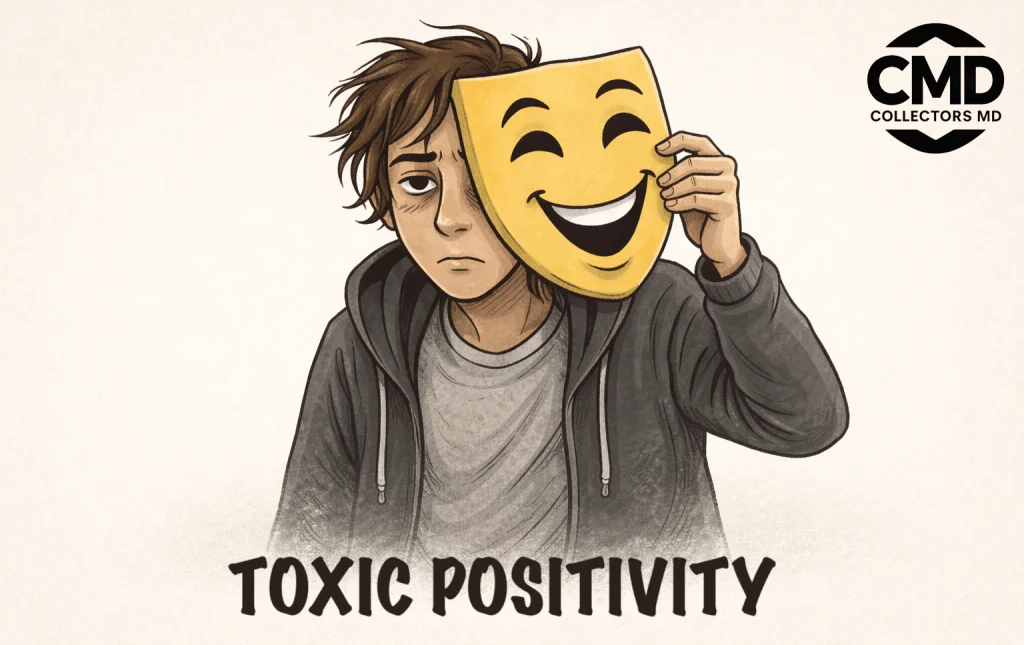
There’s a version of positivity that helps us move forward, and then there’s the kind that rushes us past what we’re actually feeling. Toxic positivity isn’t about optimism itself. It’s about bypassing reality. It shows up when pain gets minimized, reframed too quickly, or quietly dismissed in the name of “staying positive”. In the world of collecting, this can sound subtle and familiar. “At least you had fun.” “It could’ve been worse.” “Don’t dwell on

Read More »

Overcoming The Bridges We Burned

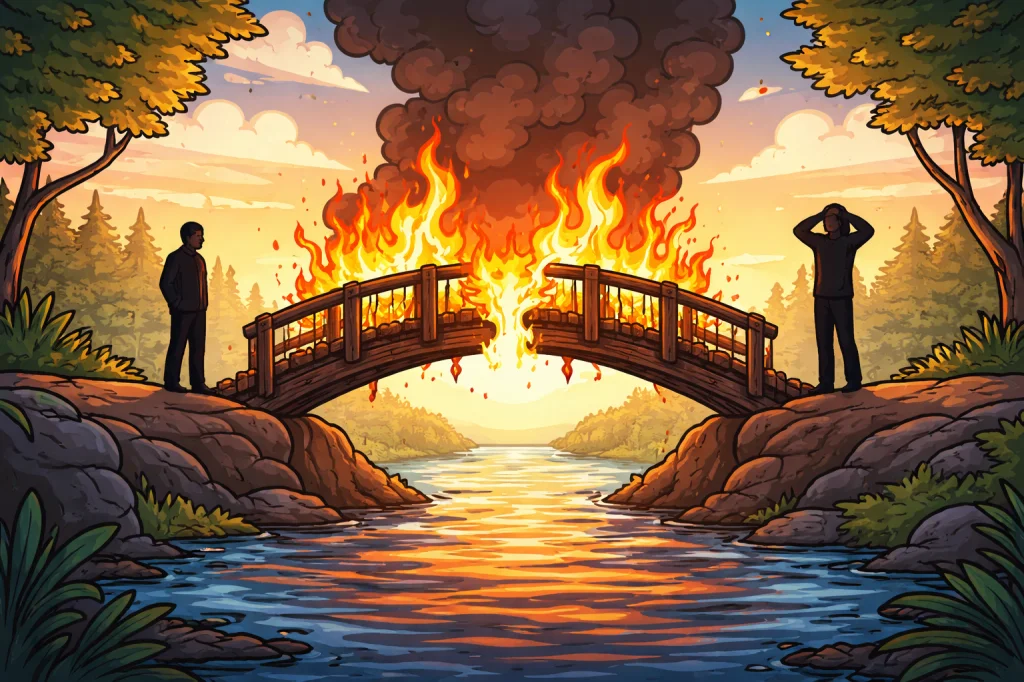
Active addiction rarely just harms us in isolation. It shows up in our words, our reactions, our broken promises, and the fractures caused when we disappear instead of showing up. Burned bridges aren’t always dramatic explosions. Sometimes they’re small cracks that add up over time. Defensiveness. Manipulation. Lying. Gaslighting. Silence. And when we finally slow down enough to see it clearly, the weight of that awareness can feel overwhelming. Step 8 of The CMD Recovery

Read More »

The Rush Of Getting Back To Even

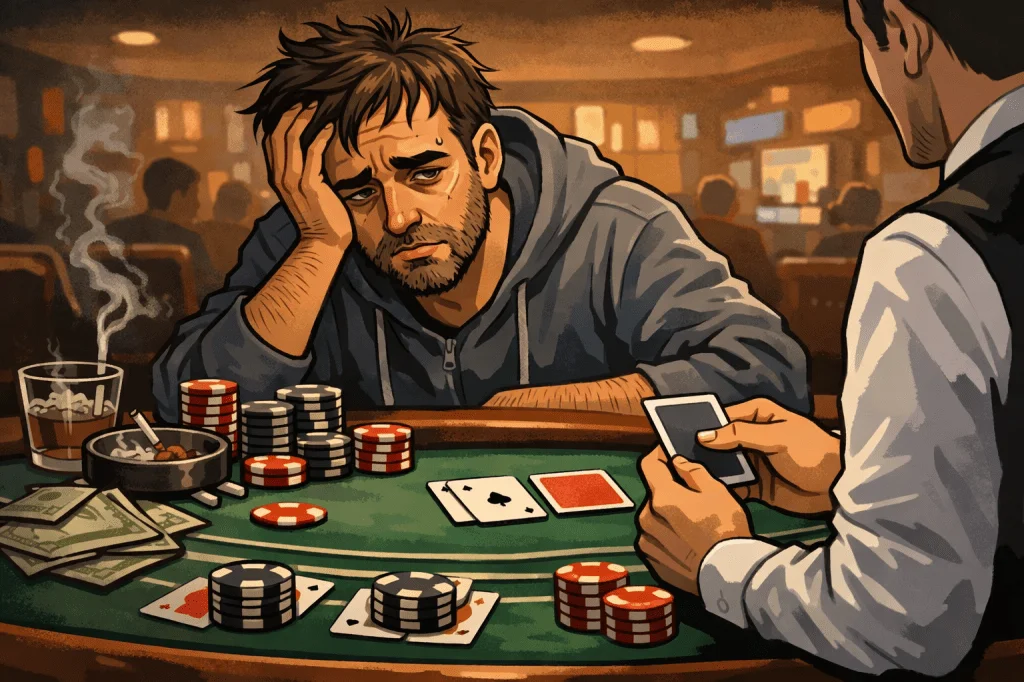
During the throes of active addiction, I told myself I was always playing to win. That was the story I clung to. But looking back honestly, I can see something much darker underneath it. I wasn’t just chasing wins. I was chasing the chaos that came from being down. Down bad. Getting myself into a massive hole created an overwhelming sense of urgency, and that urgency delivered a rush that a clean win never could.

Read More »

Why Nervous System Regulation Improves Performance

For many high-functioning people, slowing down doesn’t feel like an option. Their success, capability, and identity have been built on constantly going on ambition, discipline, and pushing through. For a lot of my high-achieving clients, slowing down can feel like laziness, a loss of momentum, or even giving up. If you’ve built your life around productivity and endurance, the idea that rest could improve performance can sound counterintuitive or even irresponsible. But here’s what we

Read More »

When One Addiction Feeds Another

For a long time, I didn’t realize I was stuck inside a vicious cycle. I thought I was just chasing enjoyment, opportunity, or momentum. But in active addiction, gambling and compulsive collecting didn’t live separately for me. They co-existed. They fed each other, quietly and relentlessly, until it became impossible to tell where one ended and the other began. When I’d join a break, the outcome almost didn’t matter. If I spent a significant amount

Read More »

Feeling Guilty For Hurting When The World Is Hurting

There’s a subtle feeling of guilt that shows up for a lot of people in recovery. You look around at the news, the chaos, the suffering, the uncertainty, and a thought creeps in: who am I to struggle with this? Compared to everything else happening, my problem feels small. Trivial. Like a so-called “first-world problem” that doesn’t deserve attention. But pain doesn’t work on a global leaderboard. Struggle isn’t invalid just because someone else is

Read More »

Staying Grounded When The World Feels Unsteady

There are moments when the world feels like it’s spinning faster than our nervous systems can keep up with. Headlines stack on top of each other. Tragedy, conflict, fear, outrage – all competing for attention. Even when it doesn’t directly affect us, we can still feel the weight of the world settling in our bodies, thinning our patience, and making stillness harder to tolerate. For many of us in recovery, this kind of external chaos

Read More »