

Beyond The Regulation Debate
Presented By GamFin As conversations around formal regulation, consumer protections, and industry accountability continue to develop across the collectibles hobby, I’ve been thinking about where Collectors MD fits into the broader discussion. There are passionate opinions on every side, and understandably so. Some believe the industry needs stronger oversight to address potentially harmful practices, while others worry that additional restrictions could threaten small businesses, personal freedoms, and the very experiences that make collecting enjoyable. These

When Belonging Comes At A Cost
Presented By Birches Health One of the most difficult parts of stepping away from compulsive collecting isn’t always giving up the cards, the spending, or the excitement. Sometimes, it’s walking away from the community we’ve become part of. Maybe you’ve spent months showing up in the same breaker’s livestream every night. You recognize the usernames, know the regulars, celebrate big hits together, and participate in conversations that have become part of your daily routine. Over
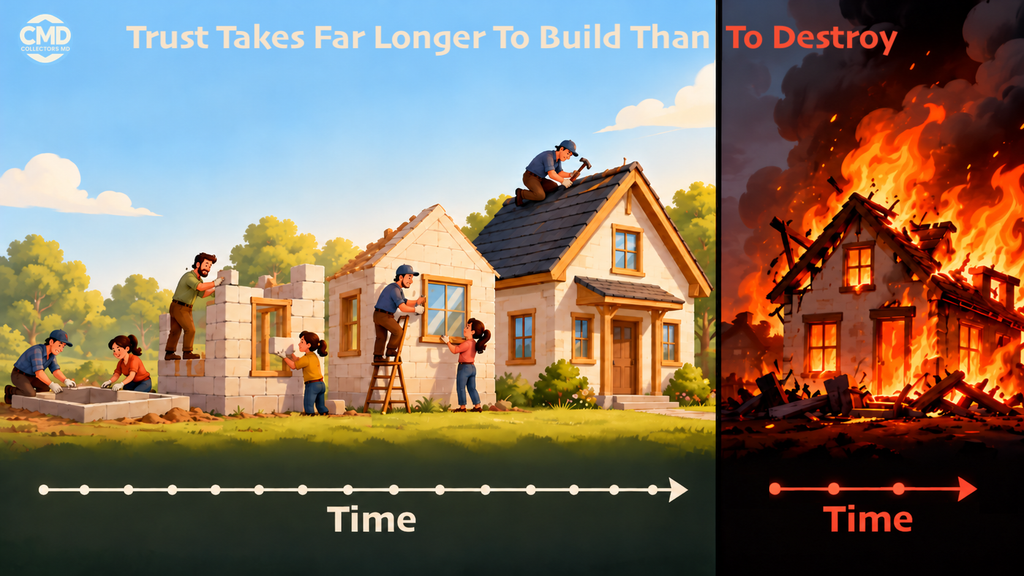
The Cost Of Broken Trust
Presented By All Touch Case One of the most painful realities of addiction is that the damage we cause to our relationships can happen far more quickly than the healing that follows. Trust that took years to build can be shattered by a single lie, a broken promise, a hidden purchase, or one more decision to put our compulsive behavior ahead of the people who love us. And while those moments may happen in an

The Wisdom To Let Go
Presented By All Touch Case One of the harder lessons in recovery is realizing that not every relationship is meant to come with us into every chapter of our lives. Recovery teaches us a lot about relationships because, for many of us, relationships were affected long before we were ready to admit there was a problem. Addiction and compulsive behavior can strain friendships, marriages, families, professional relationships, and the relationship we have with ourselves. We
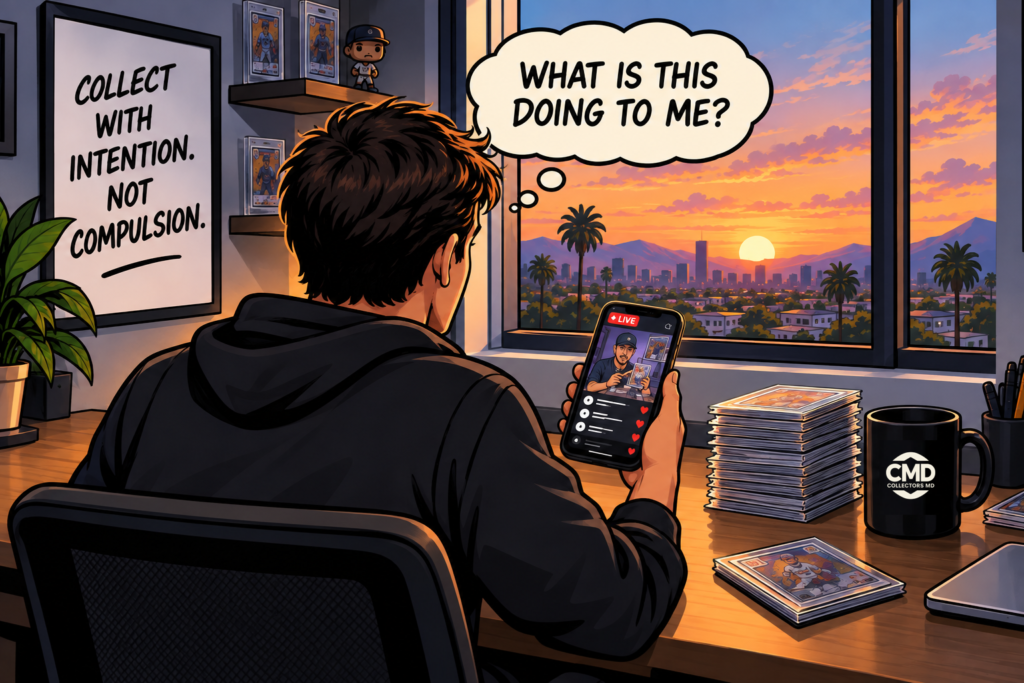
What Is This Doing To Me?
Presented By All Touch Case Sometimes the most important question isn’t what we call an activity. It’s what that activity is doing in our lives. Within the hobby, there can be a lot of discussion about where the line sits between collecting, entertainment, speculation, and gambling. Those conversations matter, and reasonable people can look at the same activity through different legal, clinical, industry, or lived-experience lenses. But for someone who is struggling, the terminology may
Help Starts Here
Presented By All Touch Case One of the hardest parts of asking for help can be deciding whether what we’re experiencing is actually serious enough to deserve it. Maybe we spent more than we intended. Maybe we’ve started hiding purchases from the people around us. Maybe breaks, auctions, releases, or marketplaces are taking up more of our attention than they used to. Maybe we’ve told ourselves we were going to slow down, only to find

Finding Joy In The Game Again
Presented By All Touch Case And just like that, football season is upon us. For so many of us, there’s nothing quite like this time of year. Saturdays belong to college football, Sundays to the NFL, fantasy leagues are underway, group chats are buzzing again, and before we know it, there’s a game on almost every night of the week. For many people, that means something simple: football is back. For others, especially those of

Pain Into Purpose
Presented By All Touch Case Last week, I had the incredible honor of presenting at the National Council on Problem Gambling (NCPG) Annual Conference in Nashville. Several days later, I’m still struggling to put the experience into words. It wasn’t simply another speaking engagement. It was one of those rare moments in life where you pause, look around, and realize just how far you’ve come. Eighteen months ago, I was still trying to rebuild my

The Modern Gambling Landscape
Presented By All Touch Case For many people in recovery, there comes a point where gambling no longer feels like the biggest threat. Months pass. Years pass. We self-exclude. We stop visiting casinos. We avoid sportsbooks. We delete the apps. We begin rebuilding our lives. It may start to feel like the darkest chapter of our lives is finally in the rearview mirror. We convince ourselves that because we’ve stopped gambling, we’ve left everything that

Batting 1.000 In Recovery
Presented By All Touch Case In a lot of ways, recovery can be compared to baseball analytics. In baseball, even the greatest players in the world are expected to fail most of the time. In recovery, however, the margins are far less forgiving. A player who gets a hit three out of every ten at-bats is considered exceptional. A .300 batting average can earn you All-Star appearances, MVP votes, and potentially a plaque in Cooperstown.

Saving Someone From Drowning
Presented By All Touch Case Earlier this year, an individual signed up for our Weekly Peer Support Meetings. Like everyone else, they received a welcome email, were added to our weekly meeting invitations, and began receiving weekly reminders about upcoming support groups. Months went by. No responses. No meetings. No engagement. Then one evening my phone buzzed with a text message: “STOP”. Most organizations probably would’ve removed the number and moved on. Instead, I responded.

The Justification Trap
Presented By All Touch Case How many times did I tell myself I was done buying sports cards? More importantly, why did I keep going back even after promising myself I would stop? The deeper I fell into compulsive collecting, the easier it became to justify every purchase. It didn’t matter if I had money to spend or not. It didn’t matter if I had already told myself “this is the last one”. My brain