Burnout Recovery For High-Performing Professionals
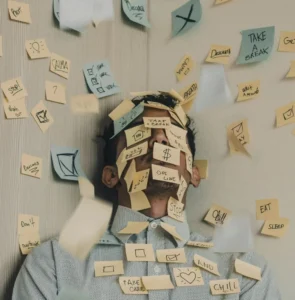
Are you a high-achieving professional experiencing burnout? You’re not alone. Many of my clients are high-achieving, high-performing individuals—executives, business owners, and leaders—who are incredibly successful in their careers, yet feel exhausted, anxious, and mentally drained. Often, these are the people everyone relies on for guidance, problem-solving, and leadership. They’re always “on”, constantly managing work, relationships, and personal commitments. Over time, this can lead to burnout, poor stress management, and the feeling of being unable to
A Truth Hurts For A Minute, A Lie Hurts Forever
A truth hurts for a minute. A lie hurts forever. This was one of the first mantras I heard when I started attending Gamblers Anonymous, and it’s stuck with me ever since. Those words are simple—but they hit deep. When I was addicted to spending money on cards, I kept it hidden. I lied to my wife. I lied to my friends. I lied to myself. I was drowning in shame and embarrassment. And when the
The First Real Act of Strength
One of the hardest things to say out loud—sometimes even to ourselves—is: “I think I have a problem”. In a hobby built on hype, celebration, and curated mail days, admitting that collecting has started to hurt more than it helps can feel like betrayal. To the culture. To your image. To the version of you that once found joy in the chase. But the truth is, many of us have been there—struggling behind the scenes
The Trap Mistrust
When you’ve seen the worst of what the world has to offer—people exploiting others under the guise of helping—it’s hard to trust anyone again. Especially when you’ve worked in systems that were supposed to heal but were, in reality, built on manipulation, greed, and even abuse. That kind of experience changes you. It makes you skeptical, cautious, sharp-eyed. And rightfully so. But here’s the challenge: how do we stay vigilant without becoming jaded? How do
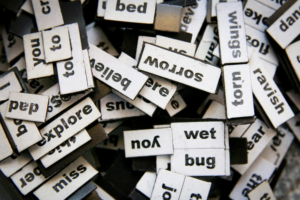
Defining Words
Words are used every day to describe ourselves, others, and the situations we’re in. In therapy, I often hear clients express their desire to become more confident, patient, or understanding—just to name a few. They’ll ask me, “How do I work on being more confident?” or “How can I become more patient?” My first response is to ask them, “What does that word mean to you?” It’s a deceptively simple question, but one that opens the door to clarity and progress.

Stacking Up Small Wins
What does success really look like in recovery? It’s easy to assume that progress means being “cured” or reaching some perfect version of yourself where the urges disappear and the mistakes stop. But recovery—real, lasting recovery—doesn’t look like that. Not even close. In Episode 5 of The Collector’s Compass, therapist Dayae Kim puts it beautifully: “success in recovery is not about never slipping—it’s about being vulnerable enough to acknowledge when you do.” That moment of
The Stress Relief Of Packs…So I Thought
Over the years, I’ve binged—on food, on alcohol, on anything that could numb the stress, the anger, or the depression. Even powerlifting, which started as something healthy, eventually turned into a toxic outlet. I needed control. I needed relief. Between 2017 and 2019, I sold off large parts of my sports card collection. I was done with the hobby and had moved on. But when the sports card boom hit during the pandemic, it sent
When The Hobby Turned Into Something Else
Tell me if this story sounds familiar: I’m a 45-year-old guy. I recently got back into card collecting. I remember as a kid in the ’80s and ’90s, going to my local card shop with a few dollars I earned from chores, a paper route, or mowing lawns—excited to rip some packs of baseball cards. Hoping to pull a 1987 Topps Jose Canseco with the wood border, an ’89 Upper Deck Ken Griffey Jr. rookie,
When Passion Turns Compulsive
When we hear the word “addiction”, most people can picture it. A person drinking too much, betting everything away, or chasing a high. And most of us also understand that addiction doesn’t only harm the person struggling—it radiates outward. Spouses, children, parents, friends—they all feel it. But collecting? What does the average person really see? A hobby. A passion project. Maybe a little obsessive—but not addictive. Not dangerous. And certainly not something that might carry the same risks as gambling. Right? And yet,
Will I Ever Buy Sports Cards Again?
Last weekend, I found myself walking into a Target instead of heading to my weekly Gamblers Anonymous meeting. Something inside me—curiosity, temptation, maybe both—was pulling me back toward the hobby. I hadn’t bought a card in five months, not since a Whatnot break back in February. But there I was, standing in front of a freshly stocked shelf of 2025 Bowman Mega Boxes. I picked one up. Just one. $50 wasn’t going to ruin me,
The First Step Back
It’s not easy to speak up—especially in a space that tends to celebrate the wins and gloss over the real-life struggles. But when someone raises their hand and says, “I’m in debt. I need help.”—that isn’t weakness. That’s awareness. That’s strength. When it comes to credit card debt, there’s no one-size-fits-all answer. It can feel like a sea of conflicting advice and noise online. And the right path forward really depends on how deep things
Out Of The Dark
For years, I was stuck in a cycle—always playing catch-up, always digging deeper. One step forward, two steps back. I felt completely out of control. The hobby had become something else entirely for me. My ego took over. I started to lose who I really was. Going to the card shop felt like visiting an addict. I’d pull out credit cards, spend money I didn’t have, and tell myself I’d flip some cards to make